


News





What We Do
Management & Booking
Zig Zag World is a non-profit organisation based in Brussels in Belgium.
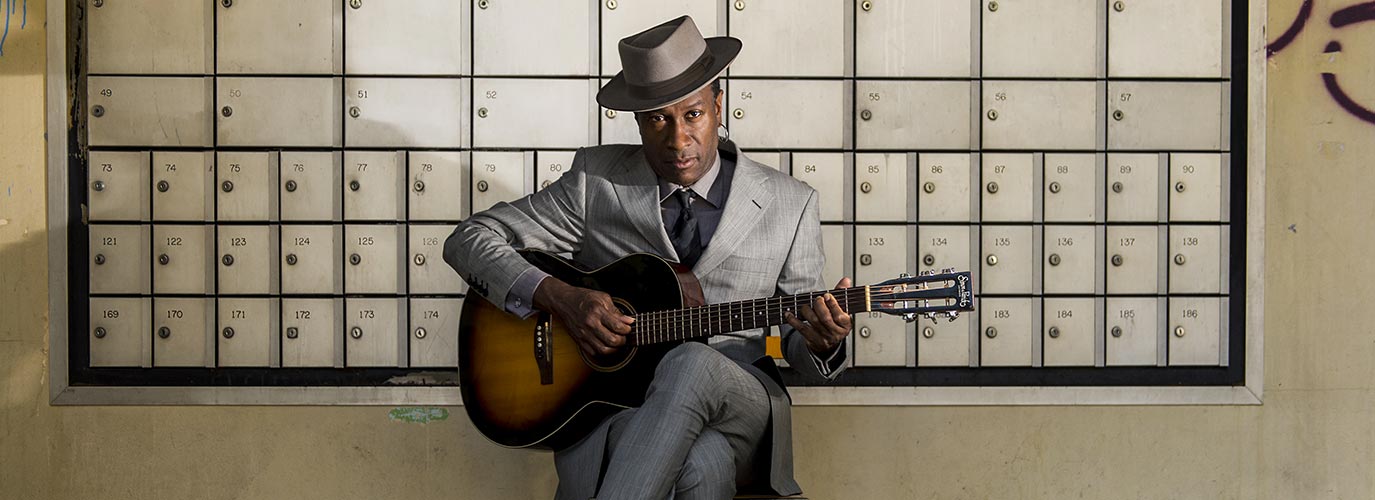
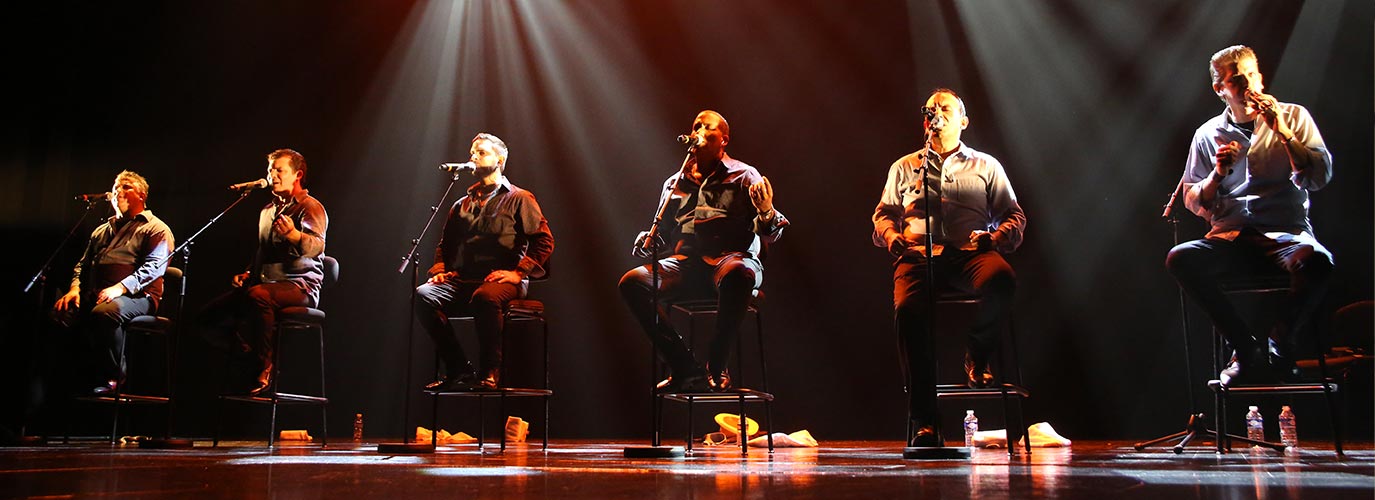
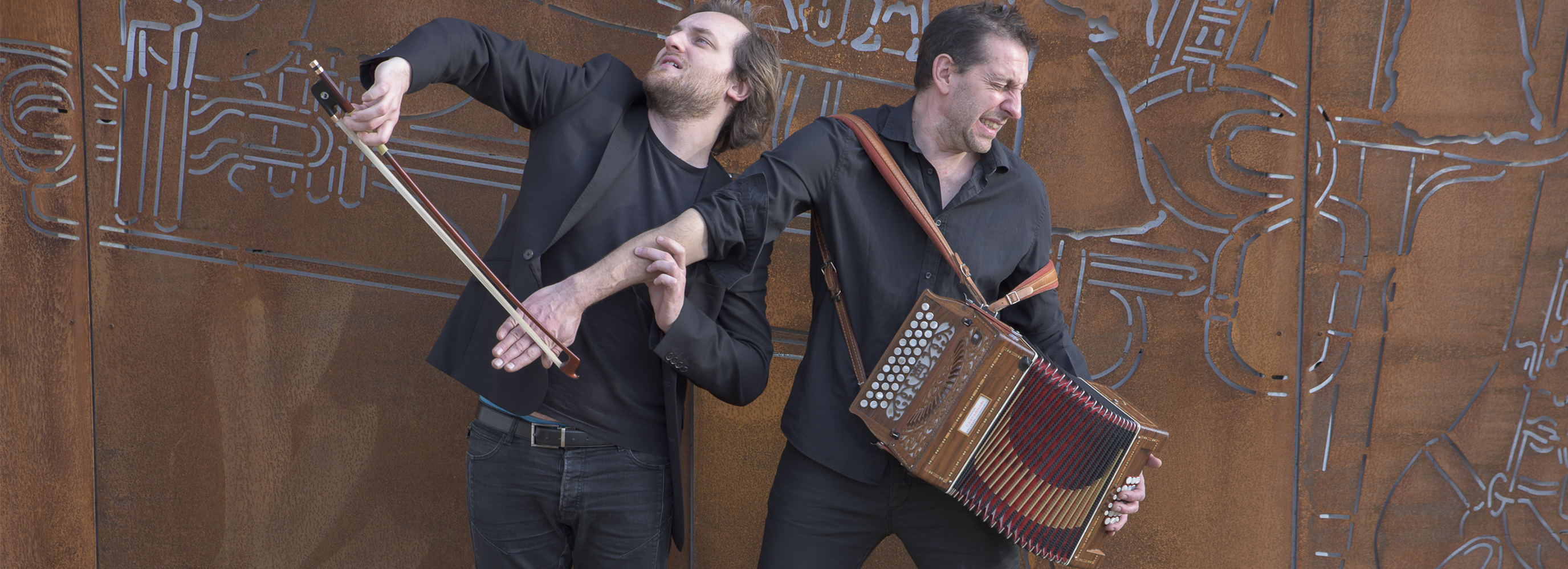
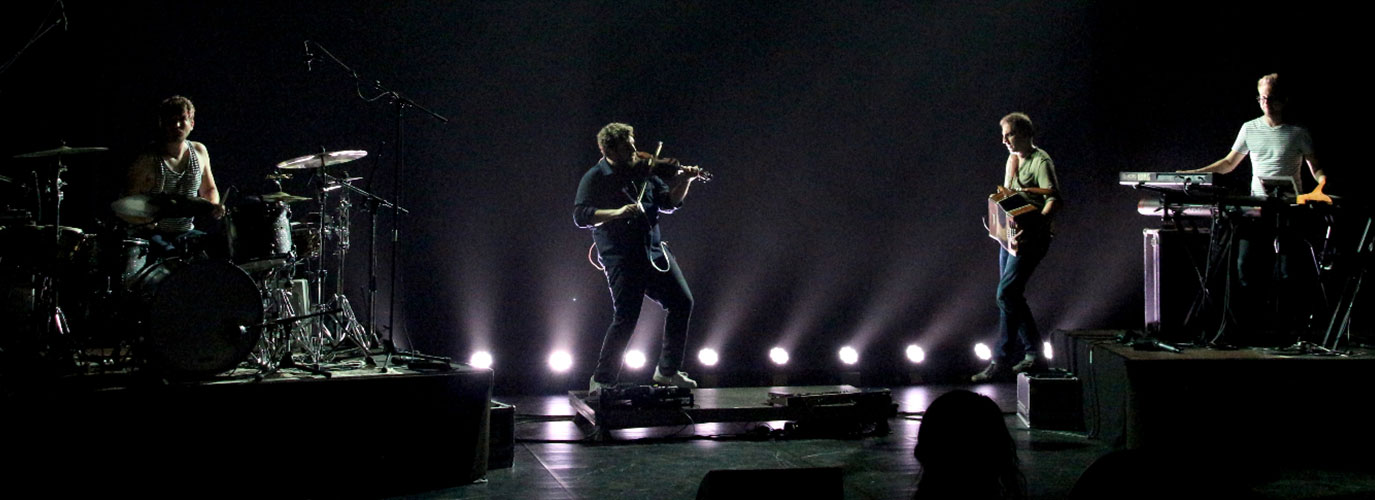
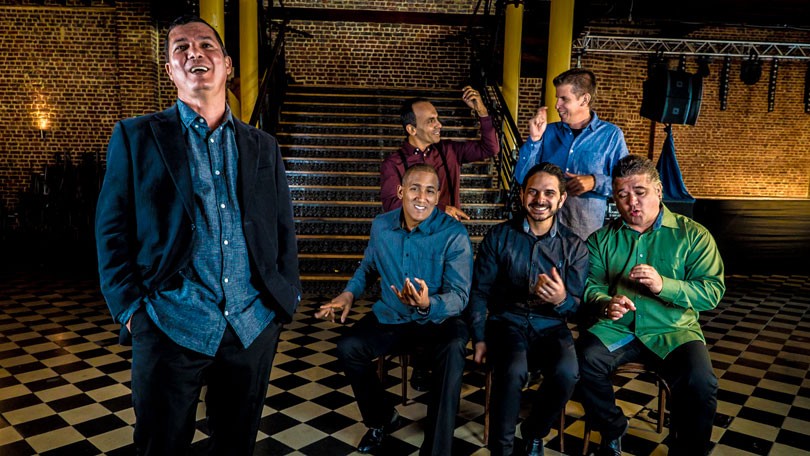
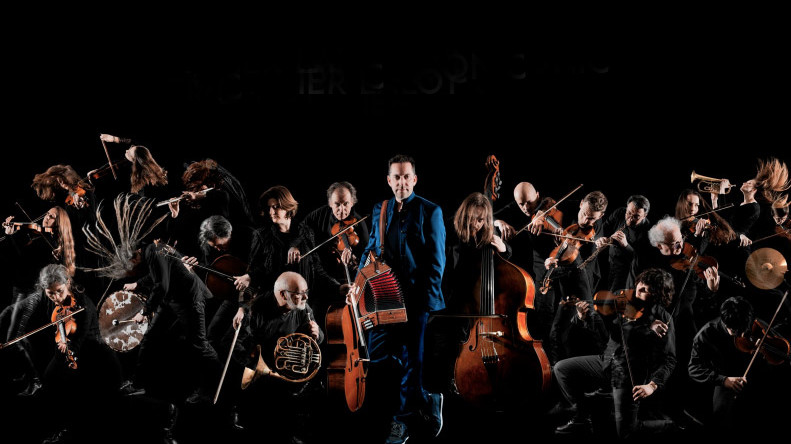
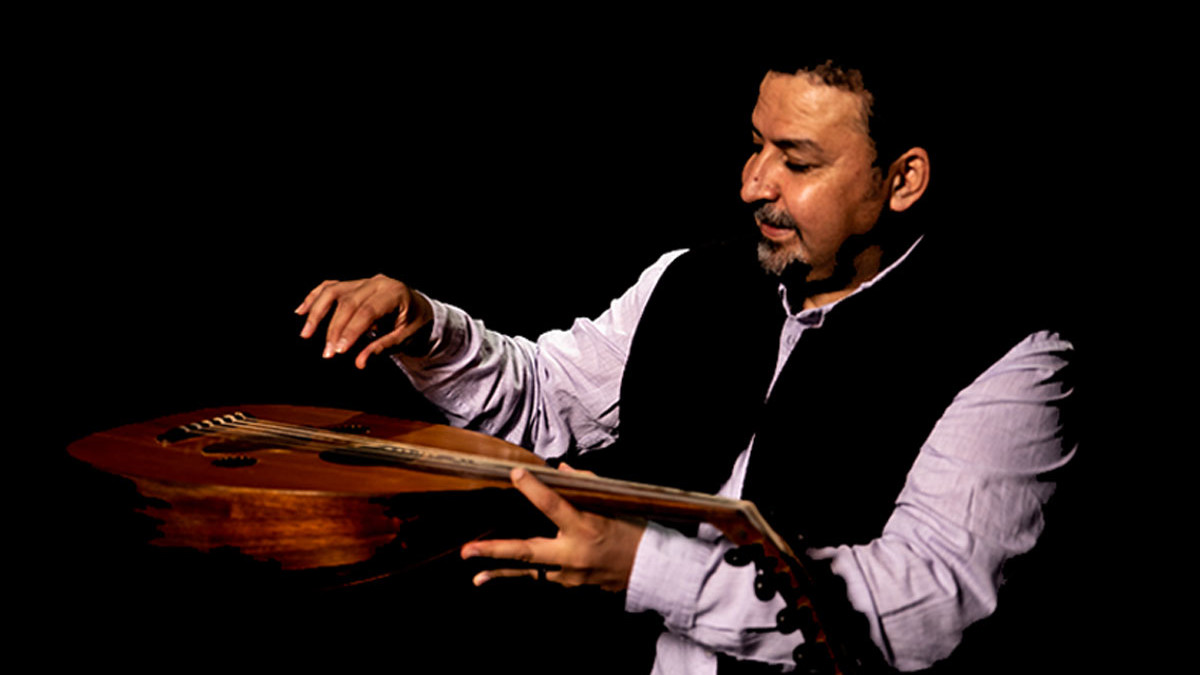
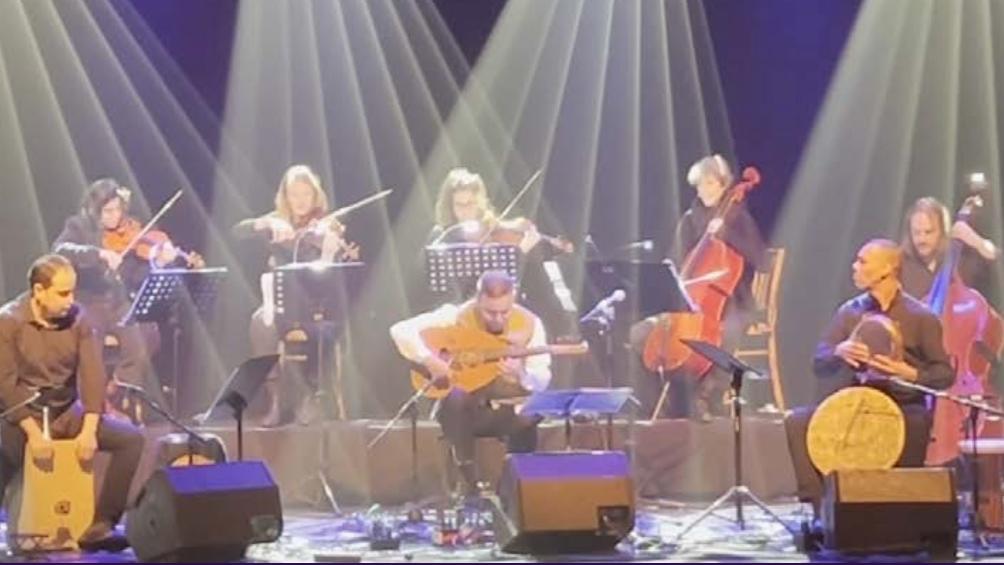
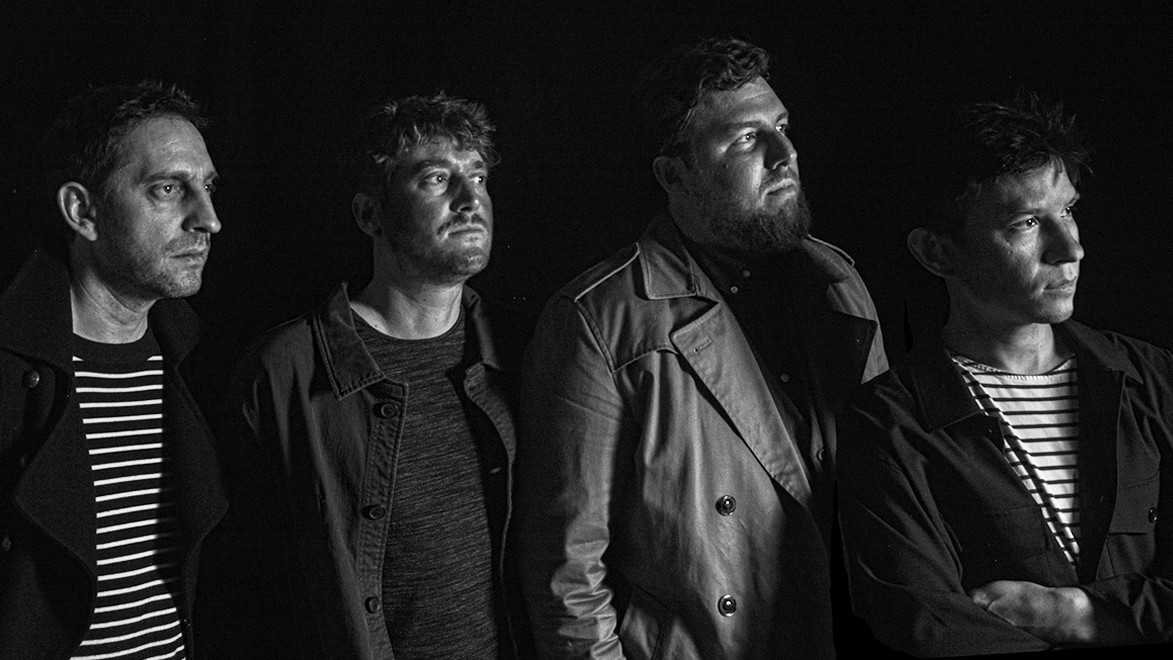
Our activities are focused on the international management of artists & bands, booking, record production, publishing, and artistic consultancy. We represent unique and interesting projects across different genres of music (world, folk, fusion, film music, contemporary, blues, jazz) as well as multi-disciplinary creations (dance, spoken word).
Label & Publishing
The Zig Zag World label produces and licenses recordings of some of the artists with whom we work in management and booking. We also act as an editor for these artists by participating in their international development. For each project, we seek international partners to develop their careers abroad.
Composition & Synchronization
We can offer you a consulting service for all types of projects (films, documentaries, advertising, web, etc.).
We currently represent the following three composers: Walter Hus, René Baños Pascual and Didier Laloy.
We manage an original repertoire of more than 300 titles (world music, song, jazz, classical and contemporary music, percussion,...).
Our site gives access to scores of works.